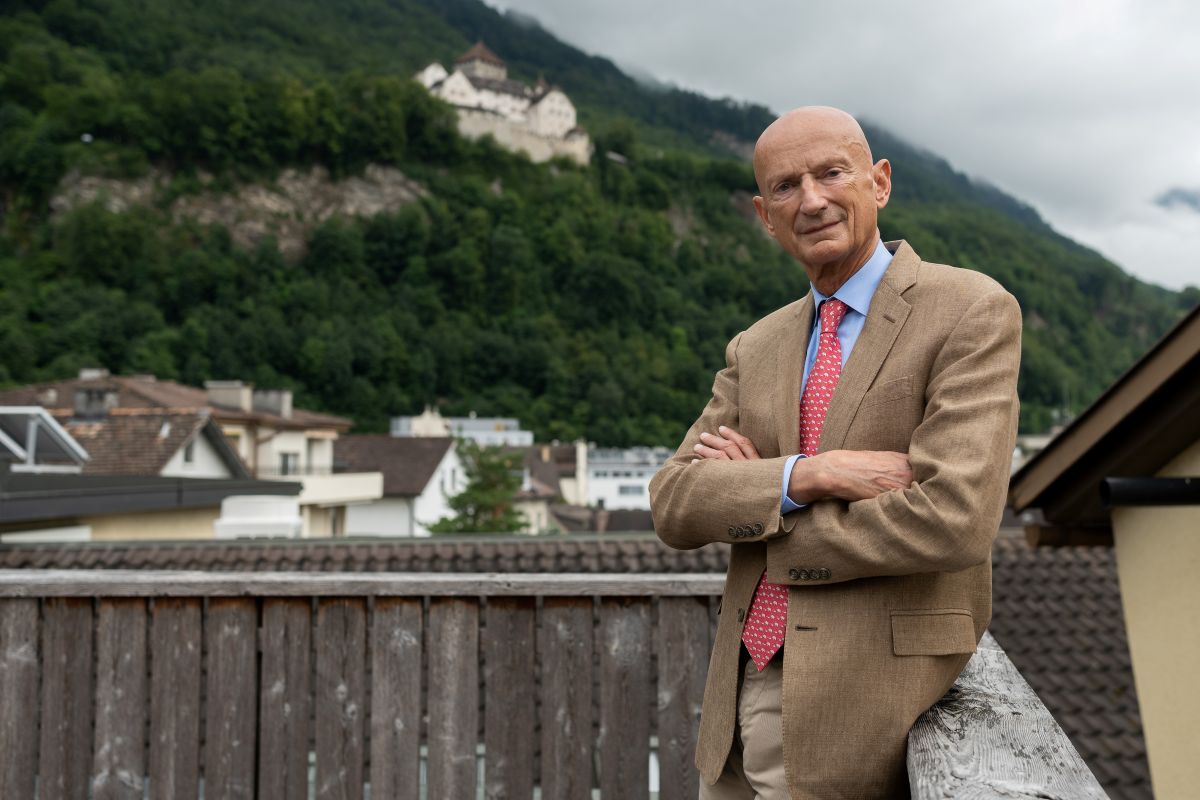
Cross-border structuring: what global families need to know about Liechtenstein
On the 100th anniversary of Liechtenstein’s Personal and Company Law, The European speaks exclusively to H.S.H. Prince Michael of Liechtenstein.
On the 100th anniversary of Liechtenstein’s Personal and Company Law, The European speaks exclusively to H.S.H. Prince Michael of Liechtenstein, Chairman of the Board of Directors of Liechtenstein Finance, about why a century of legal development still shapes the principality’s appeal for cross-border wealth structuring.
A century ago, in January 1926, Liechtenstein enacted its Personal and Company Law, creating a comprehensive statutory framework for foundations, trusts and companies that defines the principality’s legal architecture to this day. The statute, which introduced a modern corporate code and provided legal certainty for cross-border asset planning, laid the foundations of Liechtenstein’s system for private wealth and corporate structuring. More than 10 decades later, it continues to underpin the jurisdiction’s role in serving international families and entrepreneurs.
That legal framework forms the basis of today’s financial centre, represented by Liechtenstein Finance, the public–private association bringing together the Government of the Principality of Liechtenstein and the leading industry bodies across banking, fiduciary services, asset management, funds, insurance, charitable foundations, audit and legal practice. The association’s role is to explain how the jurisdiction operates and to provide clarity on its legal and regulatory environment.
In this exclusive Q&A with The European, H.S.H. Prince Michael of Liechtenstein, Chairman of the Board of Directors of Liechtenstein Finance, outlines why the centenary matters today and what global families should understand when considering Liechtenstein as part of a cross-border structuring strategy.
The European: Why does Liechtenstein remain relevant for global families in 2026?
H.S.H. Prince Michael of Liechtenstein: Liechtenstein offers a stable legal environment combined with structural flexibility. Families with cross-border interests require predictable rules and professional expertise. The Personal and Company Law provides a well-established statutory basis for foundations, trusts and companies within a coherent system.
The European: What distinguishes Liechtenstein’s legal framework?
H.S.H. Prince Michael of Liechtenstein: The jurisdiction allows both foundations and trusts under domestic law. Advisers can tailor governance and succession structures to the needs of internationally mobile families. The law is codified and refined over decades, enhancing clarity, legal certainty and above all continuity.
The European: How does the financial centre balance innovation with stability?
H.S.H. Prince Michael of Liechtenstein: The term stability does not mean stagnation, as it must also encompass innovation. Liechtenstein combines legislative continuity with openness to development. The financial centre includes fiduciary companies, banks, asset managers, investment fund companies, insurers and specialised service providers. The regulatory framework aligns with European and international standards, supporting innovation within a secure environment.
The European: What role does regulatory conformity play in cross-border structuring?
H.S.H. Prince Michael of Liechtenstein: Conformity is central. Liechtenstein participates in international information exchange frameworks and applies recognised compliance standards. Families and advisers operate within a jurisdiction that meets global regulatory expectations while maintaining its legislative tradition.
The European: How important is sustainability?
H.S.H. Prince Michael of Liechtenstein: Sustainability forms part of the financial centre’s long-term orientation and its claim ‘Thinking in generations’. This applies to family structures as well as foundations and trusts for philanthropic purposes.
The European: What professional ecosystem supports international clients?
H.S.H. Prince Michael of Liechtenstein: When it comes to family structures, foundations and trusts, it is primarily the professional trustees who attend to the needs of clients. But Liechtenstein’s financial centre also brings together banks, independent asset managers, fund managers, insurers, charitable foundation bodies, auditors, insurance brokers, and lawyers. This concentration of expertise allows coordinated solutions across legal, fiduciary, banking and investment disciplines.
The European: How does Liechtenstein’s European position influence structuring decisions?
H.S.H. Prince Michael of Liechtenstein: Liechtenstein’s unique position as both a member of the European Economic Area and part of the customs union with Switzerland is a significant advantage. As a member of the European Economic Area, Liechtenstein participates in the single market while preserving national legislative autonomy. For global families seeking a European base within a specialised wealth management environment, this framework is relevant.
The European: What message does the centenary send to international clients?
H.S.H. Prince Michael of Liechtenstein: The anniversary underscores continuity. A century of careful legislative development demonstrates institutional stability. For families planning across generations, durable legal foundations remain a key consideration in cross-border structuring.